May 1, 2026
A Georgia criminal defense guide to body-worn cameras, in-car video, evidence rules, and why hiring an experienced defense attorney can change the outcome
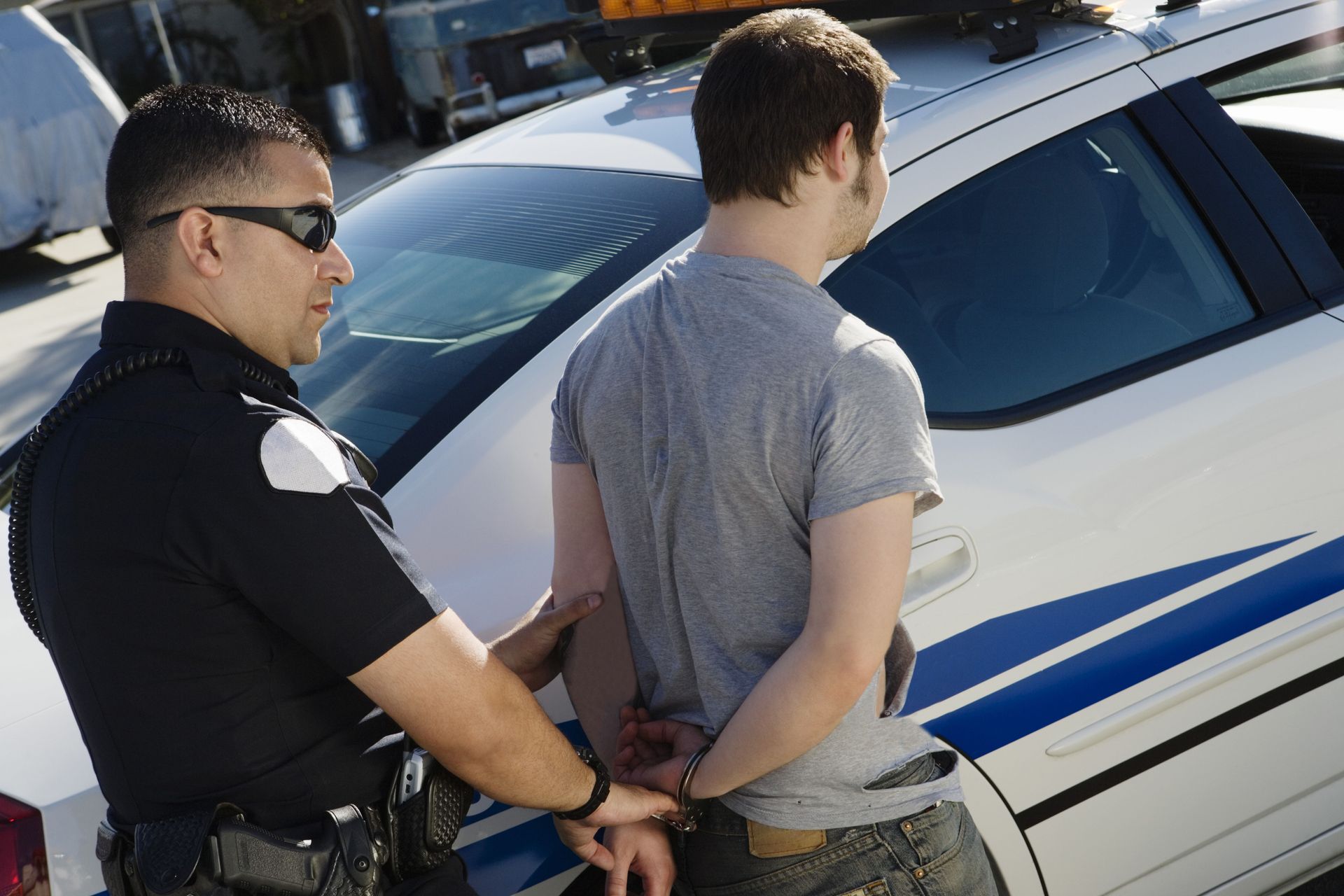
If you’ve been arrested in Georgia, there’s a strong chance your case includes body camera (BWC) or dash camera (in-car video) footage. Prosecutors increasingly rely on video to build cases for DUI, drug offenses, domestic violence, theft, and felony charges.
But video is not the full story. It can be incomplete, misleading, or even favorable to the defense—if you know how to analyze and challenge it.
This guide explains how police cameras work in Georgia, what policies govern them, how prosecutors use them, and why going without an experienced criminal defense attorney can cost you.
What Are Body Cameras and Dash Cameras?
Body-Worn Cameras (BWC)
Small cameras worn on an officer’s chest or shoulder that record:
- Traffic stops
- Arrests and searches
- Interviews and on-scene interactions
Dash / In-Car Cameras
Mounted in patrol vehicles, these typically record:
- Driving behavior before a stop
- The stop itself (often with audio)
- Field sobriety tests in DUI cases
Why Law Enforcement Uses Cameras
Across Georgia, agencies have adopted cameras to:
- Document encounters and preserve evidence
- Increase transparency and accountability
- Support prosecutions with audio/video proof
- Reduce disputes about “what happened”
Many departments follow policies consistent with guidance from the U.S. Department of Justice (DOJ) and state open-records laws requiring preservation and disclosure of public records.
Georgia Policies & Public Records Rules (High Level)
While policies vary by agency, common rules include:
- Activation requirements: Officers are typically required to activate BWCs during law enforcement encounters (traffic stops, arrests, searches).
- Retention: Recordings must be retained for a set period (longer for incidents tied to arrests or use of force).
- Public access: In Georgia, video can be requested under the Open Records Act, with certain redactions (e.g., for ongoing investigations, privacy concerns).
- Evidence handling: Footage is stored in digital evidence systems and logged for chain of custody.
-Practical takeaway: Not every second is recorded, and not every recording is immediately released.
How Camera Evidence Is Used in Prosecution
Prosecutors use video to:
- Establish probable cause (why the stop or arrest occurred)
- Support officer observations (e.g., slurred speech, odor, behavior)
- Corroborate field sobriety tests in DUI cases
- Show consent to search—or alleged resistance/obstruction
- Introduce statements made by the accused
Example (DUI)
- Dash cam shows lane deviation
- Body cam captures field tests and statements
- State argues the video proves impairment
Example (Domestic Violence)
- Body cam captures the scene, injuries, and initial statements
- Prosecutor uses footage to support the charge even if witnesses later change their story
How Cameras Actually Operate (and Their Limits)
Understanding limitations is critical:
- Activation gaps: Cameras may not be turned on immediately
- Field of view: Cameras don’t capture everything the officer sees
- Audio issues: Wind, distance, or positioning can distort sound
- Lighting: Night footage can be grainy or unclear
- Perspective bias: Video angle can make movements appear more or less aggressive
-Key point: Video is a piece of evidence—not the entire truth.
Common Problems With Body Cam & Dash Cam Evidence
Even when video exists, there are often defense opportunities:
1. Failure to Activate or Incomplete Recording
- Policy requires activation—but the critical moment isn’t recorded
- Raises questions about credibility and compliance
2. Missing or Lost Footage
- Gaps in the timeline
- Chain-of-custody issues
3. Contradictions
- Officer report vs. what the video actually shows
4. Poor Quality
- Inconclusive visuals or audio
5. Context Problems
- Video starts after key events
- Doesn’t capture what led to escalation
Why Not Having a Lawyer Can Cost You
When video is involved, many people assume: “The video speaks for itself.”
That’s rarely true.
Without an attorney, you may:
- Accept the prosecution’s interpretation of the video
- Miss legal issues like unlawful stops or searches
- Fail to challenge policy violations
- Overlook inconsistencies that could weaken the case
- Take a plea when the video actually supports your defense
Real-World Scenario
A defendant assumes the video “looks bad” and pleads guilty.
An experienced defense attorney later reviews the footage and identifies:
- No clear traffic violation
- Improper field sobriety instructions
- Gaps in recording
-Outcome could have been suppression or reduction.
How a Criminal Defense Attorney Uses Camera Evidence
An experienced Georgia criminal defense lawyer will:
✔ Analyze Every Second of Video
- Timeline reconstruction
- Frame-by-frame review
✔ Compare Video to Reports
- Identify inconsistencies
- Challenge credibility
✔ Examine Policy Compliance
- Was the camera activated properly?
- Were procedures followed?
✔ File Motions to Suppress
- Unlawful stop
- Improper search
- Constitutional violations
✔ Work With Experts (When Needed)
- Video/audio analysis
- DUI and forensic experts
-High-impact insight: Video can be your strongest defense—or your biggest risk—depending on how it’s handled.
What the Data Shows
National studies from the Bureau of Justice Statistics (BJS) indicate:
- A majority of law enforcement agencies now use body cameras
- Video evidence has become a central component of modern prosecutions
- Use of cameras has increased documentation of encounters—but not eliminated disputes
Common Charges Where Video Matters Most
- DUI / impaired driving
- Drug possession and trafficking
- Obstruction / resisting arrest
- Domestic violence / battery
- Firearm and felony charge
How Our Law Firm Can Help
Our firm represents clients across Georgia in misdemeanor and felony criminal defense cases, including those involving body camera and dash camera evidence.
We help clients:
- Obtain and review all available footage
- Challenge unlawful stops and searches
- Identify policy violations and evidentiary weaknesses
- Negotiate from a position of strength
- Prepare cases for trial when necessary
As a boutique firm, we provide:
- Direct access to your attorney
- Detailed, strategic case analysis
- Aggressive defense tailored to your situation
The Bottom Line
Body cameras and dash cameras are powerful—but they are not perfect.
If you rely on the video alone, you risk accepting the State’s version of events.
If you challenge the video with the right strategy, you may change the entire case.
Take Action Now
If you or a loved one has been arrested in Georgia and your case involves police body cam or dash cam footage, do not wait.
Call our office today or schedule your consultation and start building a defense that works.
In modern criminal cases, the camera may be rolling—but the outcome still depends on strategy.